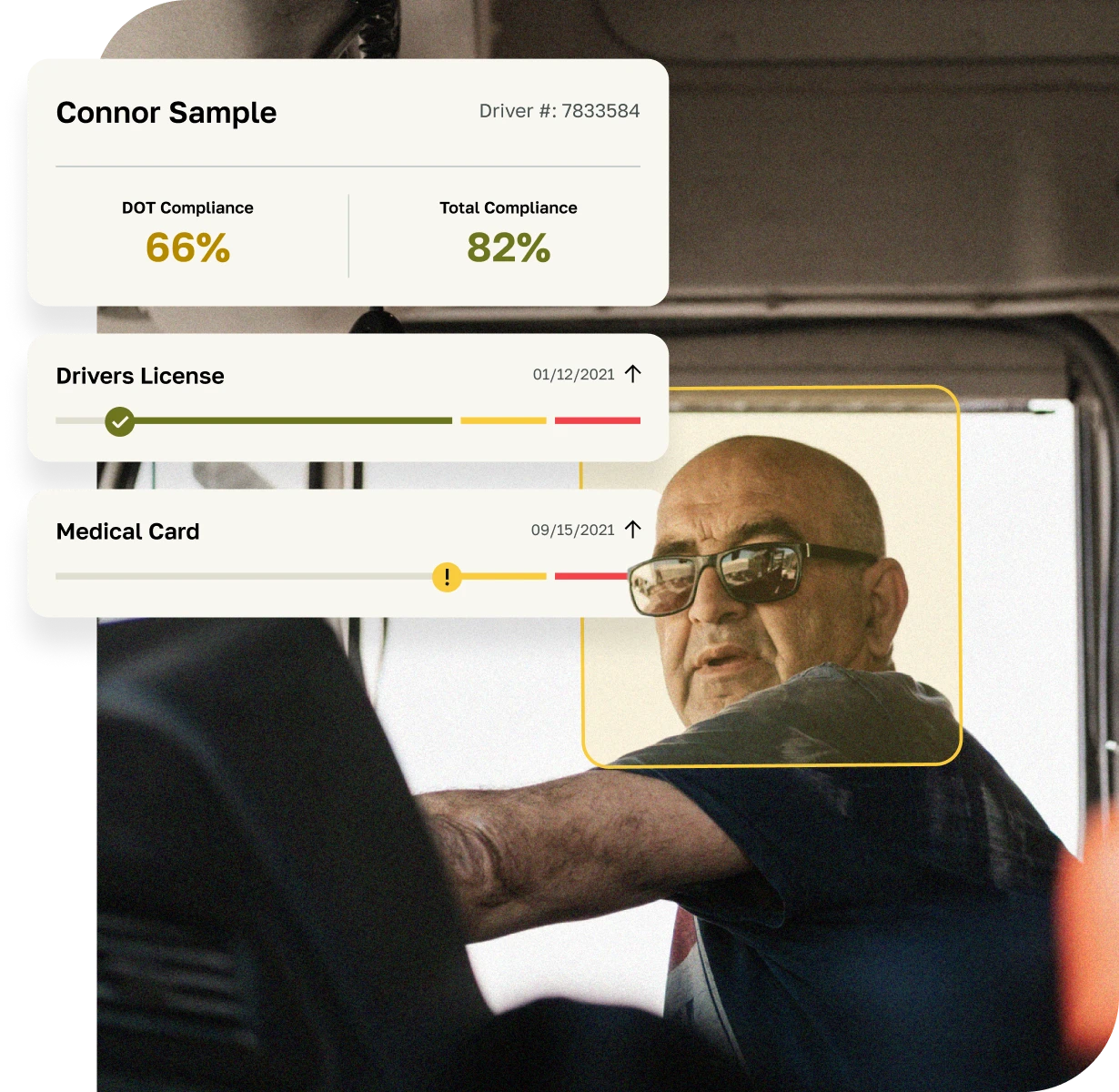


Understanding the nuances of the Compliance, Safety, Accountability program is essential for commercial drivers who want to protect their careers and maintain a strong professional reputation. While the term “CSA score” is frequently used in the transportation industry, it is crucial to clarify that motor carriers are the entities scored within the Safety Measurement System. Individual drivers, on the other hand, have a Pre-Employment Screening Program record that reflects their personal history of inspections and crashes.
Drivers must care deeply about these metrics because their safety reputation directly influences their employability, their relationship with their current carrier, and their potential for securing better routes and freight opportunities. A clean safety record demonstrates professionalism and reliability, making a driver an invaluable asset to any fleet. This comprehensive guide explores what the Compliance, Safety, Accountability program covers, how you can check your personal record, and practical ways to maintain a clean file while avoiding costly violations. We will also align these practices with the robust solutions offered by Fleetworthy, ensuring that you have the right tools to stay road ready in any situation.
What Is a CSA Score? The term “CSA score” refers to the Compliance, Safety, Accountability program administered by the FMCSA. Carriers receive BASIC percentiles in the Safety Measurement System (SMS), while individual drivers have a Pre-Employment Screening Program (PSP) record that documents their personal inspection and crash history.
CSA 101: What the “CSA Score” Really Means for Drivers and Carriers
When industry professionals discuss safety metrics, they often blend terms that have distinct meanings. Sorting out these terms is the first step toward taking control of your safety standing.
CSA vs. SMS vs. PSP: Sorting the Terms That Matter Most
The Compliance, Safety, Accountability program is the overarching safety initiative implemented by the Federal Motor Carrier Safety Administration. Its goal is to reduce crashes, injuries, and fatalities involving large trucks and buses. Within this program, the Safety Measurement System is the mechanism that evaluates motor carriers, producing percentile rankings based on their safety performance. It is important to note that there is not a single public “CSA score” for drivers. Instead, carriers see BASIC percentiles in the FMCSA portal, while individual drivers have a Pre-Employment Screening Program record. This PSP record is an individual file that details a driver’s five-year crash history and three-year roadside inspection history.

The Seven BASICs and Why Every Driver Should Know Them
The Safety Measurement System organizes data into seven Behavior Analysis and Safety Improvement Categories, commonly known as BASICs. These categories help the FMCSA identify carriers with safety problems and prioritize them for interventions.
- Unsafe Driving: This category includes dangerous behaviors such as speeding, reckless driving, improper lane changes, and inattention.
- Hours-of-Service Compliance: This involves violations of the hours of service regulations, including driving while fatigued, failing to maintain accurate logs, and operating a commercial motor vehicle while ill. Maintaining accurate Hours of Service and ELD Compliance is vital for avoiding these penalties.
- Driver Fitness: This category addresses drivers who are unfit to operate a commercial motor vehicle due to lack of training, experience, or medical qualifications. Keeping your Driver Qualification File updated is the best defense here.
- Controlled Substances/Alcohol: This covers the operation of a commercial motor vehicle by drivers who are impaired by alcohol, illegal drugs, or misuse of prescription medications. Proper DOT Drug and Alcohol Program Management ensures adherence to these strict rules.
- Vehicle Maintenance: This involves the failure to properly maintain a commercial motor vehicle, including issues with brakes, lights, tires, and other mechanical defects.
- Hazardous Materials Compliance: This category focuses on the unsafe handling or transportation of hazardous materials, including improper placarding, leaking containers, and failing to have the correct shipping papers.
- Crash Indicator: This metric is based on a carrier’s history of state-reported crashes.
Roadside inspections most commonly affect the Vehicle Maintenance, Hours of Service Compliance, and Unsafe Driving categories. Drivers must be particularly vigilant in these areas to protect their carrier’s standing and their own PSP record.
Public Visibility and Thresholds: What the FMCSA Can See
There is a significant difference between what carriers can see and what is visible to the general public. Carriers have access to their complete Safety Measurement System results through the FMCSA portal, allowing them to monitor their BASIC percentiles closely. The public can view some of this data, but certain categories, such as the Crash Indicator and Hazardous Materials Compliance BASICs, are hidden from public view to prevent misinterpretation.
When a carrier’s percentiles exceed specific thresholds, it can trigger FMCSA attention, ranging from warning letters to comprehensive DOT Audits. Because program details and thresholds can change, it is always recommended to verify current standards with official FMCSA regulatory updates.
Data Comparison: The Seven BASICs, Common Violations, and Prevention Strategies
The following charts summarize the seven BASICs alongside typical violations that can negatively impact a carrier’s percentiles, along with prevention strategies aligned to Fleetworthy’s compliance solutions.


How Drivers Influence a Carrier’s CSA Standing with Every Mile

The relationship between a driver’s actions on the road and a carrier’s overall safety rating is direct and profound. Every mile driven and every inspection undergone plays a part in shaping the carrier’s Safety Measurement System percentiles.
Why Every Roadside Inspection Counts Toward the Carrier’s Score
When a driver undergoes a roadside inspection, the results are recorded and fed into the FMCSA’s database. If violations are found, they are assigned severity weights and time weights, which then roll up into the carrier’s SMS percentiles. This means that an individual driver’s failure to secure a load properly or maintain accurate logs directly harms the company they drive for. Conversely, clean inspections help dilute the impact of past violations, improving the carrier’s overall standing. Fleetworthy’s Roadside Inspection Tracking tools help fleets capture, respond to, and learn from every inspection event.
How a Driver’s Inspection History Affects Hiring Prospects and Job Security
Drivers might wonder why they should be concerned about a carrier’s percentiles if they do not have a “CSA score” of their own. The reality is that a carrier’s safety standing dictates the quality of the freight they can haul and the rates they can command. If a carrier is subjected to FMCSA interventions or loses contracts due to poor safety ratings, it directly affects the drivers’ earning potential and job security. Furthermore, carriers with strong safety cultures prefer to hire drivers who contribute positively to their standing, meaning that your personal inspection history is a major factor in your hiring prospects. As detailed in Fleetworthy’s analysis of the patterns your CSA score is not showing you, the data behind the percentiles tells a story that insurers, shippers, and litigators all read carefully.
Common Confusion to Avoid: Higher Percentile Is Not Better
A frequent point of confusion is the interpretation of SMS percentiles. Unlike a test score in school, a higher percentile in the Safety Measurement System is not better. A high percentile indicates that the carrier is performing worse than its peers in that specific BASIC. The goal is to have fewer and less severe violations, which keeps the percentiles low and the carrier in good standing.
How Drivers Check Their CSA-Related Records the Right Way

Taking ownership of your safety record begins with knowing exactly what is on it. Drivers have specific tools available to review their history and ensure its accuracy.
How to Request a PSP Report and What It Tells You About Your Safety History
The Pre-Employment Screening Program report is the most critical document for an individual driver. It includes up to five years of crash data and three years of roadside inspection data. Drivers can request their own PSP report online through the official FMCSA portal for a small processing fee. This report details every violation, out-of-service designation, and crash entry associated with your commercial driving history. Reviewing this document regularly is one of the most proactive steps any driver can take to manage their professional reputation.
Interpreting What You See on Your PSP Report
When reviewing your PSP report, it is vital to understand the context of the entries. You will see the dates of the occurrences, the specific regulations that were violated, whether the violation resulted in an out-of-service order, and the name of the motor carrier you were operating for at the time. Recognizing these patterns helps you identify areas where you need to improve your habits. For instance, if you see multiple lighting violations, you know you need to dedicate more time to checking your vehicle’s lamps during pre-trip inspections.
How Owner-Operators Should Understand Carrier SMS Access
While drivers check their PSP reports, carriers view their SMS results in the FMCSA portal. Owner-operators who are leased on to a larger carrier must understand how their individual inspections affect the carrier’s overall SMS percentiles. If an owner-operator consistently receives violations, the carrier may choose to terminate the lease agreement to protect its own safety rating. Maintaining a clean record is therefore as important for business continuity as it is for personal professionalism.
How to Use DataQs to Correct Errors on Your Inspection Record
Inaccuracies can happen. If you find an error on your PSP report or if a violation was recorded incorrectly during an inspection, you have the right to challenge it through the FMCSA’s DataQs system. You should submit a challenge when you have clear documentation proving that the violation was assigned in error or that a crash was not preventable. Gather all necessary evidence, such as photographs, repair receipts, ELD data, and police reports, before submitting your challenge. Be prepared for realistic timelines; the review process can take several weeks, and the outcome depends entirely on the strength of the evidence provided.
Step-by-Step: Requesting a PSP and Filing a DataQs Challenge
- Requesting a PSP: Visit the official FMCSA PSP website, create an account or log in, pay the required processing fee, and download your report.
- Reviewing the Report: Carefully examine the report for any discrepancies in dates, violation codes, or crash involvement.
- Gathering Evidence: If you spot an error, collect all supporting documentation, including logbooks, maintenance records, and photographs.
- Submitting a DataQs Challenge: Log into the DataQs system, select the specific inspection or crash you are challenging, upload your evidence, and provide a clear, concise explanation of why the record should be amended.
- Monitoring the Status: Check the DataQs portal regularly for updates or requests for additional information from the reviewing agency.
High-Impact Violations and Where Drivers Usually Get Tripped Up at the Roadside

Understanding where violations most commonly occur allows drivers to focus their attention and prevent issues before they happen.
Hours-of-Service Pitfalls That Can Silently Damage Your Record
Hours of service violations are frequent and often entirely preventable. Common pitfalls include form and manner issues, such as forgetting to sign a log or failing to enter the shipping document number. Missing logs and false logs are more severe violations that carry heavy penalties. Many of these issues are tied to ELD misuse, such as failing to log into the device or ignoring unassigned driving time. Small errors add up quickly, which is why utilizing robust Hours of Service and ELD Compliance tools is so beneficial for both drivers and their carriers.
Vehicle Maintenance Violations That Inspectors Catch Most Often
Vehicle maintenance violations are the most common type of roadside citation. Inspectors frequently find issues with lights, tires, brakes, and load securement. A burnt-out marker light or a tire with insufficient tread depth is an easy citation for an inspector. This underscores why pre-trip diligence is absolutely essential. Taking the time to perform a thorough inspection prevents these easy write-ups and keeps your vehicle moving. Tracking these issues systematically through Asset Compliance solutions ensures that repairs are documented and completed promptly.
Unsafe Driving Behaviors That Weigh Heavily on Safety Standing
Behaviors that fall under the Unsafe Driving BASIC weigh heavily on a carrier’s safety standing. Speeding, failing to wear a seatbelt, using a handheld device while driving, and making improper lane changes are all high-impact violations. These actions not only endanger the public but also signal to inspectors that the driver lacks professional discipline. Implementing Proactive In-Cab Safety Alerts can help curb these behaviors by providing real-time notifications of speed zones and hazards before incidents occur.
Controlled Substances, Alcohol, and Driver Fitness: Zero Tolerance in Practice
The FMCSA maintains a zero-tolerance policy for controlled substances and alcohol. Adherence to the testing program is mandatory, and any failure or refusal to test has severe consequences for a driver’s career. Similarly, Driver Fitness violations, such as operating with an expired medical certification or lacking the proper DOT driver requirements, are easily avoidable with proper organization. Fleets utilizing comprehensive Driver Qualification File Management systems rarely encounter these documentation readiness issues because expirations are flagged automatically well in advance.
Practical Habits to Keep a Clean CSA-Related Record Mile After Mile
Maintaining a clean safety record requires discipline, organization, and a commitment to professional excellence. The following habits, when practiced consistently, compound into a strong safety reputation over time.
Pre-Trip and Post-Trip Routines That Prevent the Most Common Violations
The foundation of a clean record is a rigorous inspection routine. Use detailed checklists to ensure no component is overlooked. When defects are found, report them immediately and ensure you have proof that the repairs were completed before operating the vehicle. Carrying spare bulbs, fuses, and a tire tread depth gauge allows you to address minor issues on the spot. Documenting these routines digitally via DVIR Record Management provides a clear, auditable trail of compliance that protects you during any inspection or audit.
HOS Discipline: Planning Loads to Avoid Last-Minute Violations
Hours of service discipline goes beyond simply watching the clock. It involves meticulous load planning to avoid situations where you might be pressured to violate regulations. Understand the exceptions that apply to your operation, such as the adverse driving conditions exception, and know how to sync your activities with your ELD correctly. Avoid last-second violations by giving yourself ample time to find safe parking before your hours expire. Fleetworthy’s HOS Compliance Support provides the oversight and monitoring needed to keep logs accurate and audit-ready.
Paperwork Readiness: The Documents Every Driver Should Have Organized
During a roadside inspection, the inspector’s first impression is formed by how quickly and neatly you present your paperwork. Ensure that your CDL, medical card, vehicle registration, insurance information, permits, and shipping papers are organized and easily accessible. For specialized operations, ensure all hazmat documentation is complete and flawless. Staying on top of your Driver Compliance requirements means your documents are always current and ready to present.
Professional Conduct During Inspections: How Attitude and Organization Matter
Your demeanor during an inspection matters. Maintain clear, respectful communication with the inspector. Have your documents organized and hand them over promptly. If you do not understand a violation or a request, ask clarifying questions respectfully. If a minor defect is found, ask if you can correct it on the spot. Often, inspectors will note the defect but not issue a citation if it is remedied immediately. Preparing for these interactions is a key component of the proactive approach to FMCSA Roadside Inspections that separates professional drivers from the rest.
After a Violation or Crash: What Drivers Should Do to Protect Their Record
Even the most diligent drivers can experience a setback. How you handle the aftermath determines the long-term impact on your record and your career.
How to Document, Repair, and Retrain After a Roadside Citation
Immediate action is required after a citation or violation. Document the circumstances surrounding the event thoroughly. If a mechanical defect was cited, ensure it is repaired immediately and keep the receipt as proof of repair. If the violation was behavioral, engage in targeted refresher training to correct the habit. A structured Driver Coaching Program can provide the framework needed to address behavioral patterns systematically and prevent recurrence.
Using DataQs and Crash Preventability Requests to Challenge Inaccurate Records
If you believe a violation was issued in error, or if you were involved in a crash that was not your fault, utilize the DataQs system and the Crash Preventability Determination Program. Submit your request promptly, as timelines matter. The evidence you provide is the key to success; include clear photos, repair receipts, ELD data, and the official police report. Maintain realistic expectations, as these reviews take time and require compelling proof to overturn an inspector’s decision.
Turning a Setback into a Stronger Safety Record Over Time
A violation should serve as a learning opportunity. Track the patterns in your PSP report to identify recurring issues. Have open coaching conversations with your safety managers to discuss strategies for improvement. Set personal goals, such as completing a certain number of clean inspections or maintaining perfect log accuracy for a quarter. The audit readiness mindset applies equally to individual drivers: the best time to prepare is before any issue arises.
Clean Inspections Matter: How to Earn More of Them and Strengthen Your Standing
Clean inspections are the most effective way to improve a carrier’s SMS percentiles and strengthen your own PSP record. They are the clearest signal that a driver is operating professionally and safely.
What Qualifies as a Clean Inspection and Why It Helps Your Carrier
A clean inspection is an inspection that results in zero violations. These outcomes are highly valuable because they demonstrate consistent compliance and help dilute the mathematical impact of previous violations within the Safety Measurement System. For a driver, a history of clean inspections is a testament to their professionalism and dedication to safety. Carriers actively track these outcomes, and drivers with strong clean inspection rates are valuable assets.
Proven Strategies to Increase Your Odds of a Clean Inspection
Earning clean inspections requires proactive effort. Conduct meticulous pre-trip inspections, focusing heavily on common defect areas like lights, tires, and brakes. Practice proper weigh station etiquette; approach slowly, follow all signals, and maintain a clean, professional appearance for both yourself and your vehicle. A well-presented truck often signals to an inspector that the driver is diligent, potentially leading to a shorter, less intrusive inspection. Utilizing Weigh Station Bypass technology can also keep you moving efficiently, reducing the frequency of random pull-ins at inspection sites. For more details, review weigh station basics.
Recordkeeping That Proves Diligence and Supports DataQs Challenges
Thorough recordkeeping is your best defense. Maintain detailed maintenance records, complete your DVIRs accurately, and take dated photos of items you have corrected. If an inspector questions a component, having documented proof of recent maintenance or repair can often resolve the issue without a citation. This level of organization is easily achieved with centralized Compliance Solutions that keep every record current and accessible.
Owner-Operators and Small Fleets: How to Keep CSA Performance Healthy at Scale
For owner-operators and small fleets, managing safety performance requires building scalable systems that do not overwhelm administrative resources. The good news is that the fundamentals are straightforward and the tools available today make compliance far more manageable than it once was.
How to Build a Simple Safety Management System That Actually Works
You do not need a massive corporate infrastructure to maintain compliance. Build a simple safety management system that covers the basics: clear safety policies, organized driver qualification files, a regular training cadence, strict maintenance schedules, and periodic internal audits. Utilizing a platform like Fleetworthy’s Safety and Compliance suite can automate much of this process, ensuring you remain audit-ready without the heavy administrative burden. Fleets of all sizes, from single-truck owner-operators to large enterprises, rely on these tools to stay consistently compliant.
Why Monitoring SMS and Inspection Trends Monthly Prevents Costly Surprises
Do not wait for a warning letter to check your data. Review your SMS percentiles and inspection trends on a monthly basis. Look for patterns, such as recurring lighting violations or HOS errors. Address the root causes of these issues immediately, verify that corrections have been made, and refresh training where violations recur. By catching trends early, you can implement changes before they impact your safety rating. Staying on top of Roadside Inspection Tracking is crucial for this proactive approach. As Fleetworthy’s research on hidden CSA patterns demonstrates, the risks that matter most are often the ones that do not yet show up as threshold breaches.
Hazmat and Specialty Operations: Extra Rigor for Higher-Stakes Freight
Operations that handle hazardous materials or specialized freight face increased scrutiny. These operations require extra training, meticulous route planning, and absolute rigor in documentation. Ensure that all placarding is correct, shipping papers are accessible, and drivers are fully aware of the specific regulations governing their cargo. The consequences of a hazmat violation extend beyond SMS percentiles and can include significant fines and operational restrictions.
Conclusion: Every Mile and Every Inspection Builds Your Safety Reputation
The Compliance, Safety, Accountability program is the framework the FMCSA uses to monitor safety, and while carriers receive the SMS percentiles, it is the drivers who shape the outcome on the road. Your Pre-Employment Screening Program report is your personal mirror, reflecting your commitment to safety and professionalism. By treating every mile and every inspection as a critical part of your professional record, you ensure that small, positive habits compound into a strong safety reputation over time.
We encourage every driver to pull their latest PSP report, review it line by line, and set one specific improvement goal for the next thirty days. With the right mindset and the support of comprehensive tools like those provided by Fleetworthy, maintaining a clean record is entirely within your control. Explore Fleetworthy’s complete suite of Driver Compliance solutions and Safety tools to see how technology can support your commitment to safe, professional driving.
Frequently Asked Questions About CSA Scores for Drivers
Do Drivers Have a CSA Score, or Is It Only for Carriers?
Drivers do not have a public “CSA score.” The Safety Measurement System generates percentiles for motor carriers. However, drivers have a Pre-Employment Screening Program (PSP) record, which details their individual crash and inspection history over the past several years. This record is what prospective employers review when evaluating a driver’s safety history. Learn more about managing your Driver Compliance standing.
How Often Is SMS Updated, and How Long Do Violations Affect Results?
The FMCSA updates the Safety Measurement System once a month. Violations remain on a carrier’s SMS record for 24 months, with their impact weighting decreasing over time. This time-weighting means that recent violations carry more weight than older ones, incentivizing consistent improvement.
What Is a “Good” CSA Score for a Carrier?
There is no single “good” score. Carriers aim to keep their percentiles below the FMCSA’s intervention thresholds in all seven BASIC categories. Lower percentiles indicate better safety performance relative to peer carriers. Fleetworthy’s analysis of CSA score patterns explains why staying well below thresholds, rather than just below them, is the smarter long-term strategy.
Do Warnings Count on My Record If There Is No Citation?
Yes. Violations noted on a roadside inspection report affect a carrier’s SMS percentiles and a driver’s PSP record, even if a formal traffic citation or ticket was not issued by the officer. The inspection report itself is the source of the data that feeds into the FMCSA’s systems.
How Long Do Violations Stay on My PSP Report?
Roadside inspection data, including violations, remains on a driver’s PSP report for three years. Crash data remains on the report for five years. This is why consistent, clean performance over time is so important for building and maintaining a strong professional record.
Can a Clean Inspection Offset Prior Violations?
Yes. Clean inspections (inspections with no violations) are factored into the SMS algorithm and help improve a carrier’s percentiles by demonstrating compliant behavior, which dilutes the impact of past violations. This is one of the most powerful reasons to pursue clean inspections actively and consistently. Fleetworthy’s Roadside Inspection Tracking helps fleets monitor and build on this positive trend.
What Is the Difference Between PSP, MVR, and a Carrier’s SMS Results?
A PSP report shows a driver’s federal inspection and crash history. A Motor Vehicle Record (MVR) is a state-issued document showing a driver’s traffic convictions and license status. SMS results are the carrier’s safety percentiles based on the collective performance of all its drivers and vehicles. All three are reviewed during the hiring process and during DOT Audits.
How Does the Crash Preventability Determination Program Work?
The Crash Preventability Determination Program (CPDP) allows carriers and drivers to submit evidence showing that a specific crash was not preventable. If the FMCSA agrees, the crash is removed from the calculation of the carrier’s Crash Indicator BASIC. Strong documentation, including photos, police reports, and ELD data, is essential for a successful submission.
How Do I Use DataQs to Challenge Inaccurate Inspection Data?
You can submit a challenge through the FMCSA’s DataQs online portal. You must provide specific details about the inspection and upload clear, compelling evidence (such as photos or repair receipts) to prove that the violation was recorded in error. The process requires patience, as reviews can take several weeks. Keeping thorough records through tools like DVIR Record Management makes it far easier to gather the evidence needed for a successful challenge.